
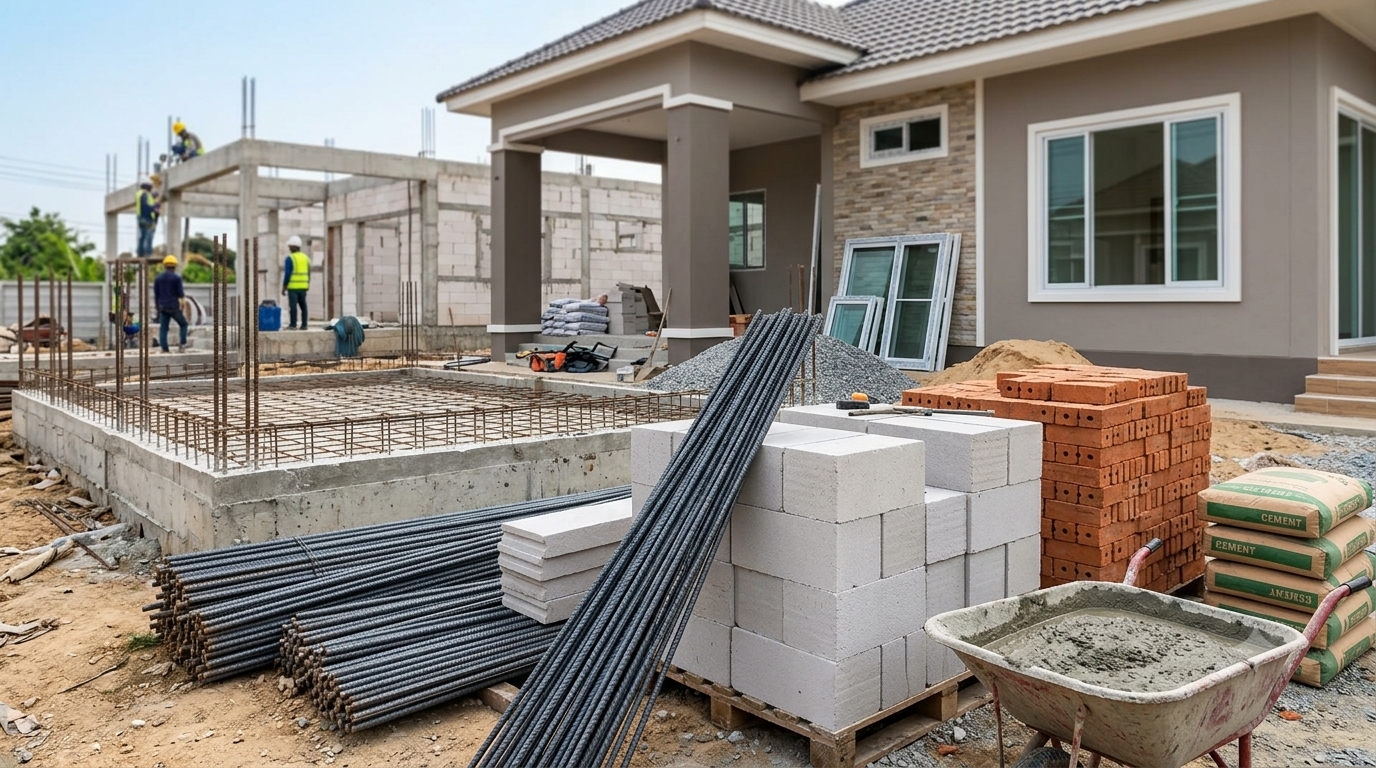
Building a home is one of the most significant emotional and financial investments you will ever make. While a striking architectural design and beautiful interior decor catch the eye, the true longevity of a building lies deep within its bones. The materials you select during the foundational and structural phases dictate whether your home will withstand decades of environmental wear and tear or require frequent, expensive repairs.
Choosing the right construction materials involves balancing structural engineering requirements, local climatic conditions, and long-term maintenance costs. Here is a comprehensive guide to selecting high-quality materials that ensure your residential project stands strong for generations.
Prioritize Foundation and Structural Integrity
The foundation and structural framework form the backbone of your home. Any compromise here can lead to catastrophic structural failures, wall cracks, or foundation settling later on. When selecting materials for the core structure, your focus should be entirely on load-bearing capacity and durability.
Cement Quality:
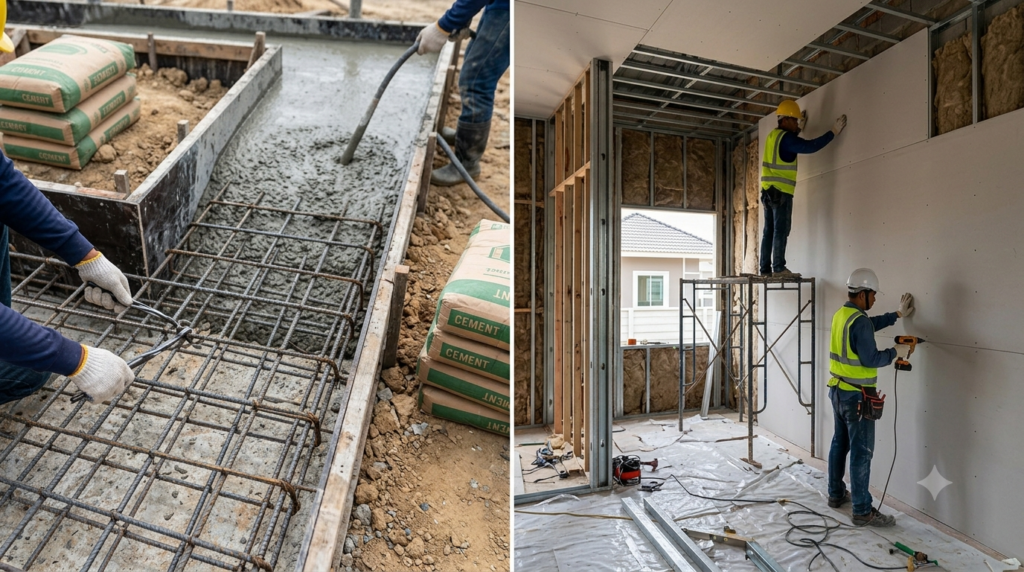
Always opt for high-grade cement. Regular Portland Cement (OPC) is excellent for structural elements like columns and beams due to its high early strength, while Portland Pozzolana Cement (PPC) is ideal for plastering and brickwork because it resists moisture and prevents cracks.
Steel Reinforcement (TMT Bars):
The concrete structure relies on steel for tensile strength. Look for Thermo-Mechanically Treated (TMT) steel bars, preferably Fe 500 or Fe 550 grade. These bars offer superior flexibility, high yield strength, and excellent earthquake resistance.
Aggregate and Sand:
Ensure the river sand or manufactured sand (M-Sand) used is free from silt and clay. Aggregates should be angular and well-graded to ensure they bind perfectly with the cement paste, forming a rock-solid concrete mix.
Evaluate Climatic Suitability and Weather Resistance
A material that performs exceptionally well in a dry, desert climate might fail miserably in a coastal or heavy-rainfall region. To build a long-lasting home, you must choose materials capable of fighting local environmental elements, such as extreme heat, high humidity, or severe dampness.
If your region experiences scorching summers, thermal efficiency is key. Using autoclaved aerated concrete (AAC) blocks instead of traditional red clay bricks can significantly reduce indoor temperatures due to their superior thermal insulation.
For coastal or high-moisture zones, waterproofing and corrosion resistance take priority. Standard steel corrodes quickly in humid air; therefore, using corrosion-resistant TMT bars or applying anti-corrosive coatings is essential. Additionally, invest in high-grade external waterproofing compounds mixed into your concrete and plaster to prevent water from seeping into the walls and causing structural degradation.
Opt for Durable Masonry and Walling Units
The walls of your home do more than just divide rooms; they provide insulation, acoustic barriers, and structural support. Choosing the right masonry units impacts everything from the building’s dead load to its resistance against moisture penetration.
| Material Type | Pros | Best Used For |
| Traditional Red Bricks | High compressive strength, deeply durable, time-tested material. | Load-bearing walls and classic architectural styles. |
| AAC Blocks | Lightweight, excellent thermal/acoustic insulation, eco-friendly. | High-rise structures, G+2 frames, and heat-prone areas. |
| Concrete Solid Blocks | Extremely strong, water-resistant, faster construction speed. | Foundation basements and heavy-duty compound walls. |
Regardless of the walling unit you choose, ensure they are uniform in shape and size. Uniformity reduces the amount of mortar required during construction, minimizing weak joints and preventing future plaster cracks.
Focus on Low-Maintenance Exterior Finishes
The exterior facade of your home is the first line of defense against shifting weather patterns, UV rays, and pollution. Selecting low-maintenance, highly durable materials for the exterior ensures that your home retains its aesthetic appeal and structural health without requiring a repaint or repair every couple of years.
- Exterior Paints and Plaster:
Standard interior paints will peel and fade within months if exposed to the elements. Always choose premium exterior acrylic emulsion paints with silicon additives. These paints offer elastomeric properties, meaning they can stretch slightly to bridge hairline cracks while repelling rainwater and resisting fungal growth.
- Cladding and Tiles:
For high-exposure areas like balconies or front elevations, consider structural cladding materials like stone laminates, structural glazing, or vitrified exterior tiles. These materials do not absorb moisture and can easily be washed clean, protecting the underlying brickwork from direct weather damage.
- Windows and Doors:
Move away from low-quality wood for exterior frames, which can warp, rot, or invite termites over time. Instead, opt for high-grade UPVC (Unplasticized Polyvinyl Chloride) or anodized aluminum sections for windows. They provide airtight sealing, resist corrosion, and hold up remarkably well against heavy rain and intense sunlight.
Summary
Building a long-lasting home is not about finding the most expensive materials; it is about finding the right materials for your specific environment and structural needs. By investing heavily in a robust foundation, auditing the weather resistance of your structural components, and choosing low-maintenance finishes, you ensure that your home remains safe, comfortable, and beautiful for decades to come.